About Cancer
Cancer is a complex disease
What is cancer?
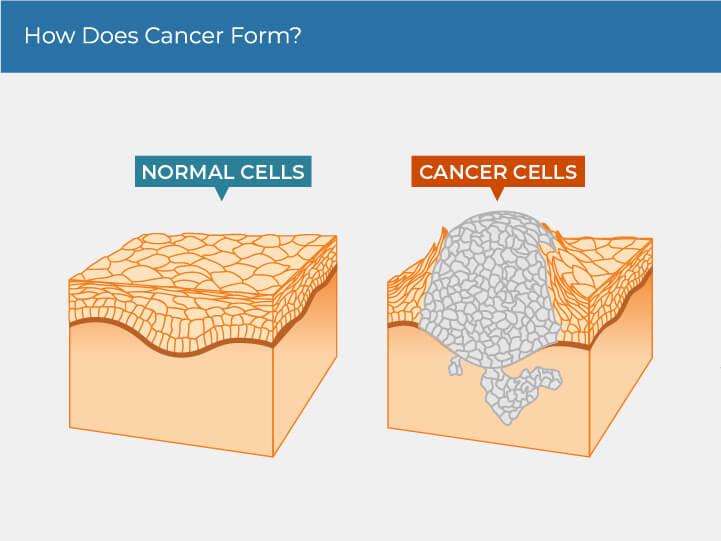
Every cell in a person’s body has its own lifecycle. Each cell will grow, divide, and die when it becomes old or damaged. These cells are then replaced with new cells, and the cycle continues. This is the body’s way of keeping itself healthy. However, sometimes a cell becomes so damaged that it does not die when it should, and this controlled pattern is broken. These damaged cells continue to grow and multiply at their own rate even though the body does not need them. This is how a tumor is formed. Not all tumors are harmful, but some tumors can spread to nearby tissues and even other organs. These tumors are known as malignant, or cancerous, tumors.
For more information on cancer, specific types of cancer, cancer causes, and cancer treatments, visit the National Cancer Institute.
Cancer is a
Chronic Disease
For many people, cancer can be a long-term condition. Thanks to advances in treatment, many patients are now living much longer with the disease. Some cancers can’t be completely cured, but they can be managed with ongoing care for months or even years—like other chronic illnesses such as dementia, diabetes, or heart disease.
Primary
Cancer Prevention
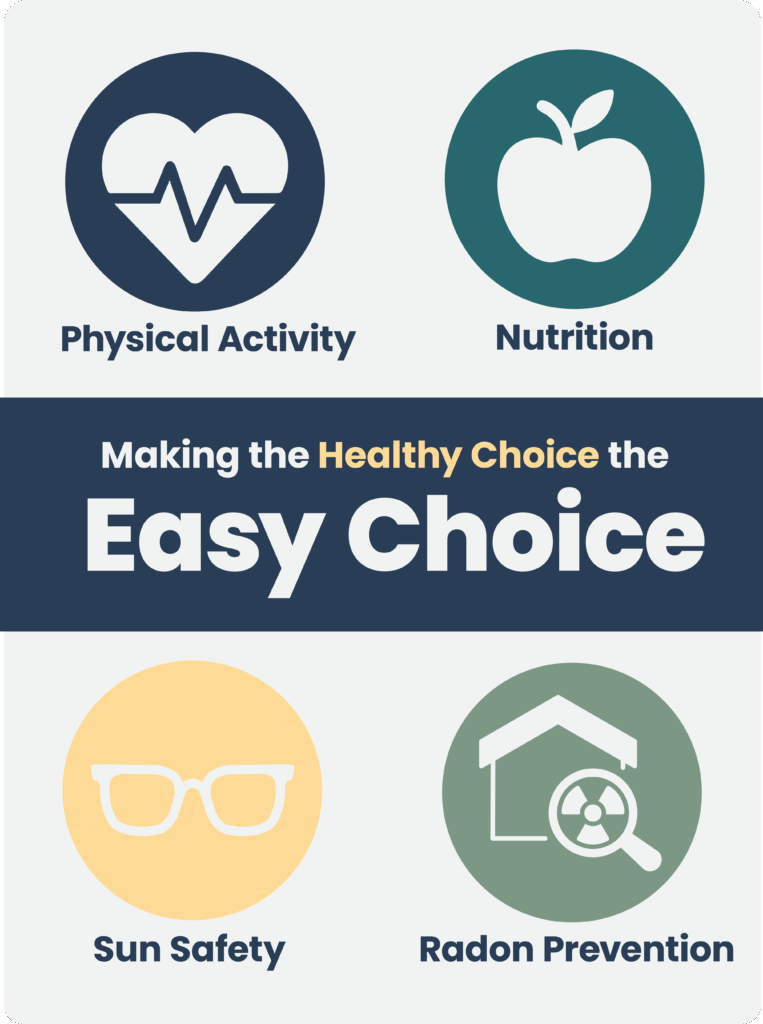
Not using tobacco, eating healthy, living actively, not using alcohol, testing for radon in your home, getting vaccines such as HPV and hepatitis C, and avoiding the sun’s rays are ways to prevent cancer. Many forms of cancer can be prevented by focusing on prevention and early detection strategies. Changing routines can be hard so showing children how to develop good choices early in life can put them on the right path.
Secondary
Cancer Prevention
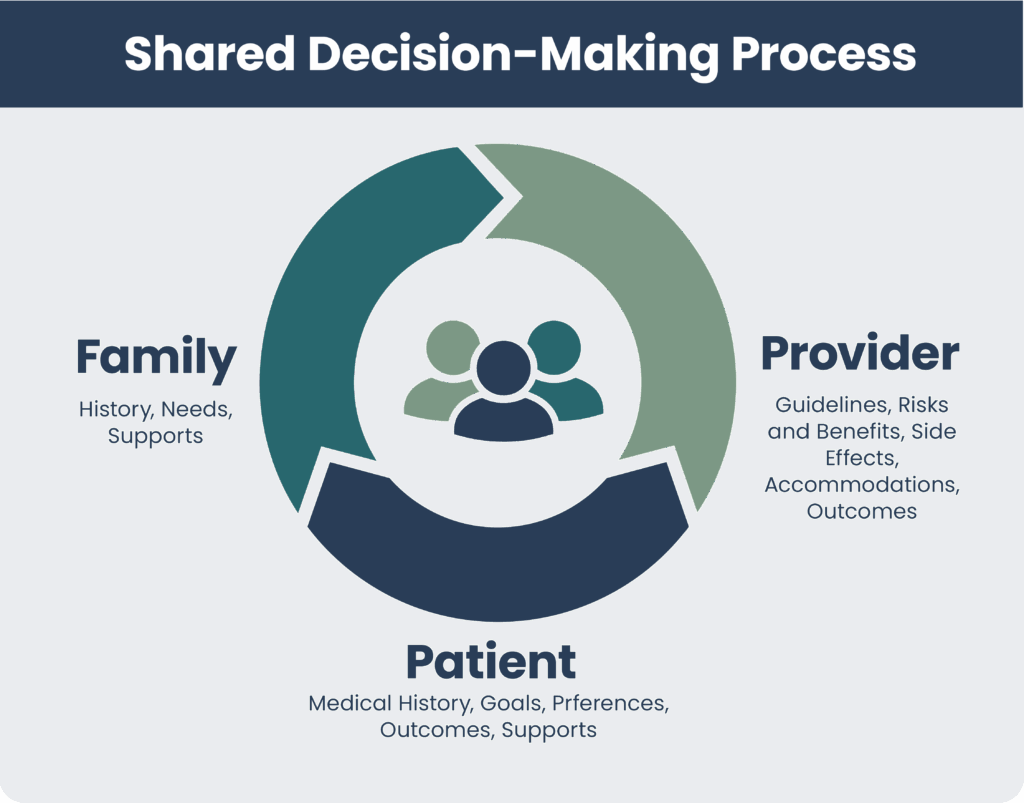
This is the early detection and treatment of cancer to stop it before it becomes cancer or from spreading. With regular screening, cervical and colorectal cancer can be prevented before it turns into cancer, and breast and lung cancer can be found early when it’s easier to treat. With any cancer screening, there should be a shared decision making process between you and your provider. This should be based on your family history which may mean you may need to start screening earlier than the general recommendation. Your provider should offer the pros and cons of any cancer screening as well as go over any screening test to determine which one is right for you. Regular cancer screenings save lives. Click here for evidence-based screening guidelines.
Tertiary
Cancer Prevention
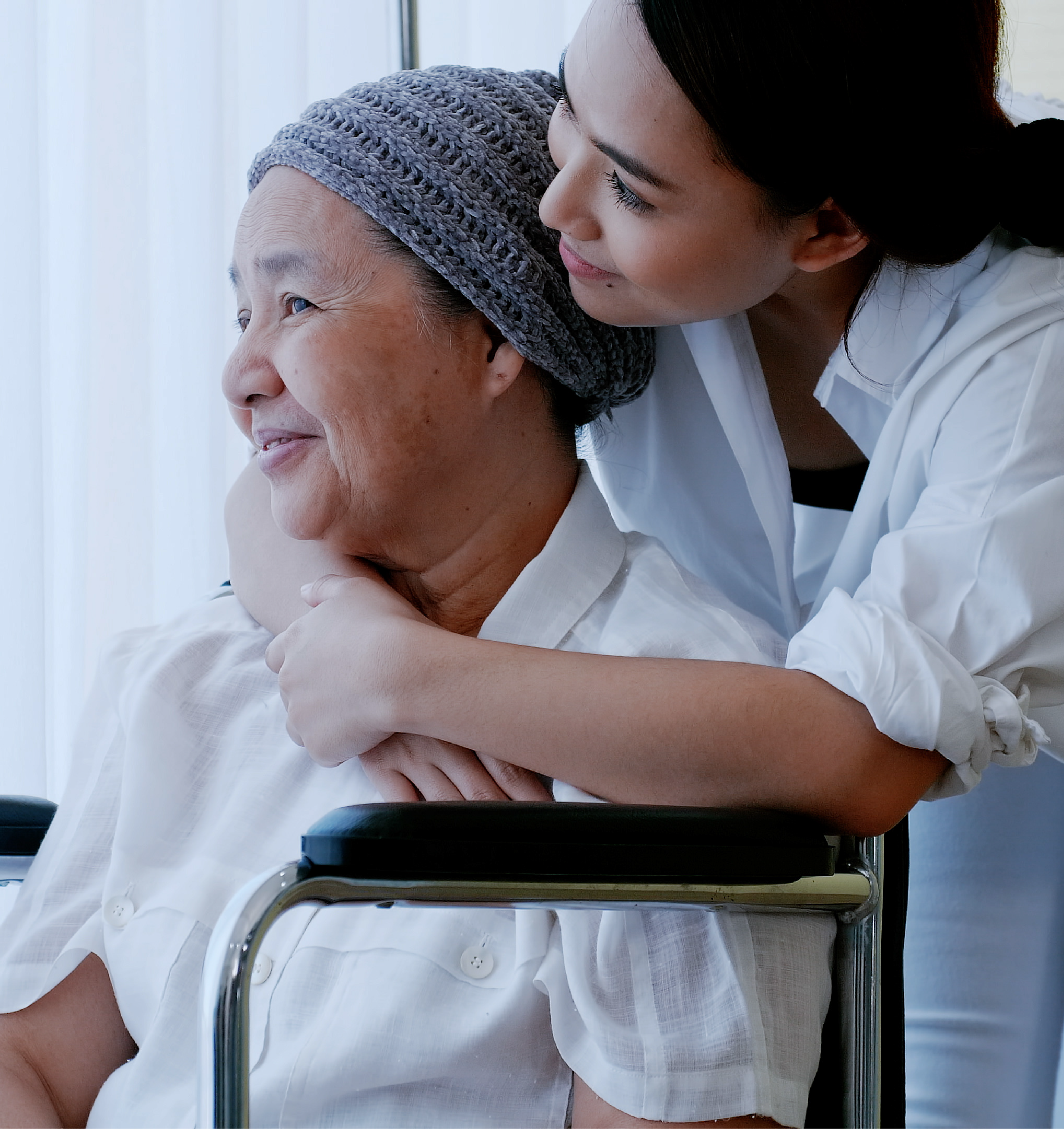
This is care given to people who have already been diagnosed with cancer. The goal is to improve the quality of life and reduce the risk of secondary cancers.
It could include surgery to remove the disease, radiation and/or chemotherapy to treat the disease, rehabilitation to manage the physical consequences (find out more about Exercise is Medicine for cancer patients), psychological support to help manage the mental aspects of dealing with cancer, and nutritional counseling (find out more about Food is Medicine).
Risk Factor
Associated Cancers
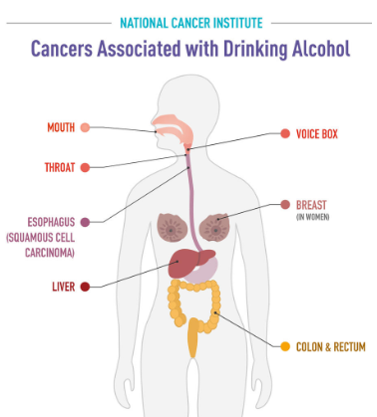
According to the 2025 Surgeon General’s Report on alcohol and cancer, alcohol is a known carcinogen, and drinking alcohol raises the risk of developing at least seven types of cancer. The more a person drinks, the higher the cancer risk.
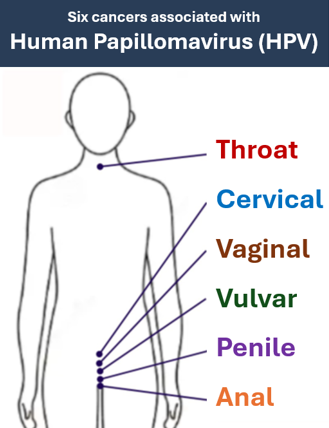
Human Papillomavirus, or HPV, is a common virus that can lead to six types of cancers. A vaccine can help prevent these HPV-associated cancers. The vaccine works best when given at an early age before a person is exposed and can be started as early as age nine.
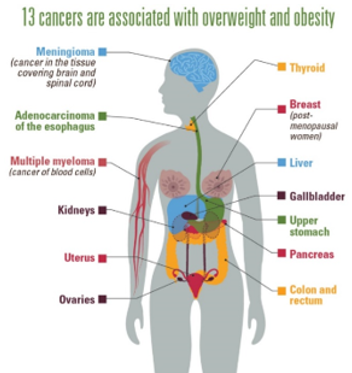
The American Medical Association has officially recognized obesity as a chronic disease. As such, obesity impacts other chronic diseases including hypertension, type 2 diabetes, cardiovascular disease osteoarthritis, and cancer.
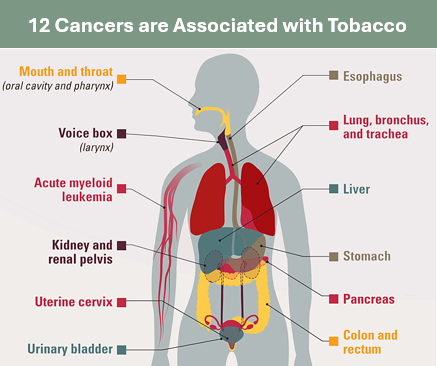
Cigarette smoking is attributable to many different types of cancer. According to the U.S. Surgeon General, smoking can cause cancer almost anywhere in the body.
Most Common Cancers in Maine
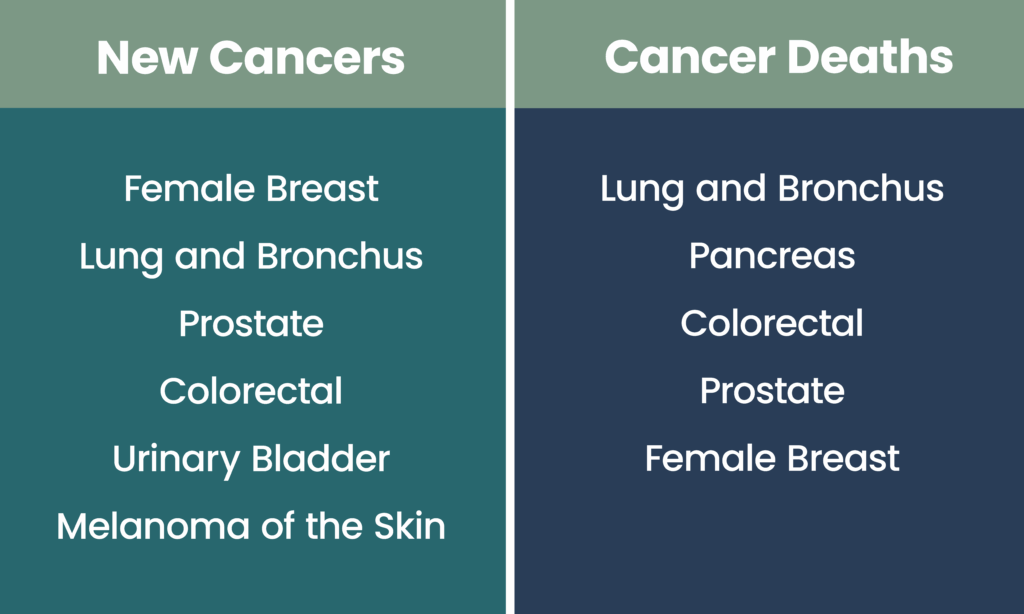
There are six cancer types that represent nearly 60 percent of all new cancer cases in Maine. Overall cancer incidence rates, as well as incidence rates for lung and bronchus, urinary bladder, and melanoma of the skin, are significantly higher in Maine than the U.S. The mortality rate of lung and bronchus, urinary bladder, and esophageal cancers are significantly higher than the U.S. Below are the leading new cancers and cancer deaths in Maine listed from highest to lowest.
Data Links
Have Questions?
Contact Us Today
Becky Pearce
Program Manager
rebecca.pearce@maine.gov
Garth Smith
Program Coordinator
garth.smith@maine.gov